June 2, 2026
Skid Steer Buying Guide
Skid Steer Buying Guide: Your Comprehensive Roadmap to the Right Machine
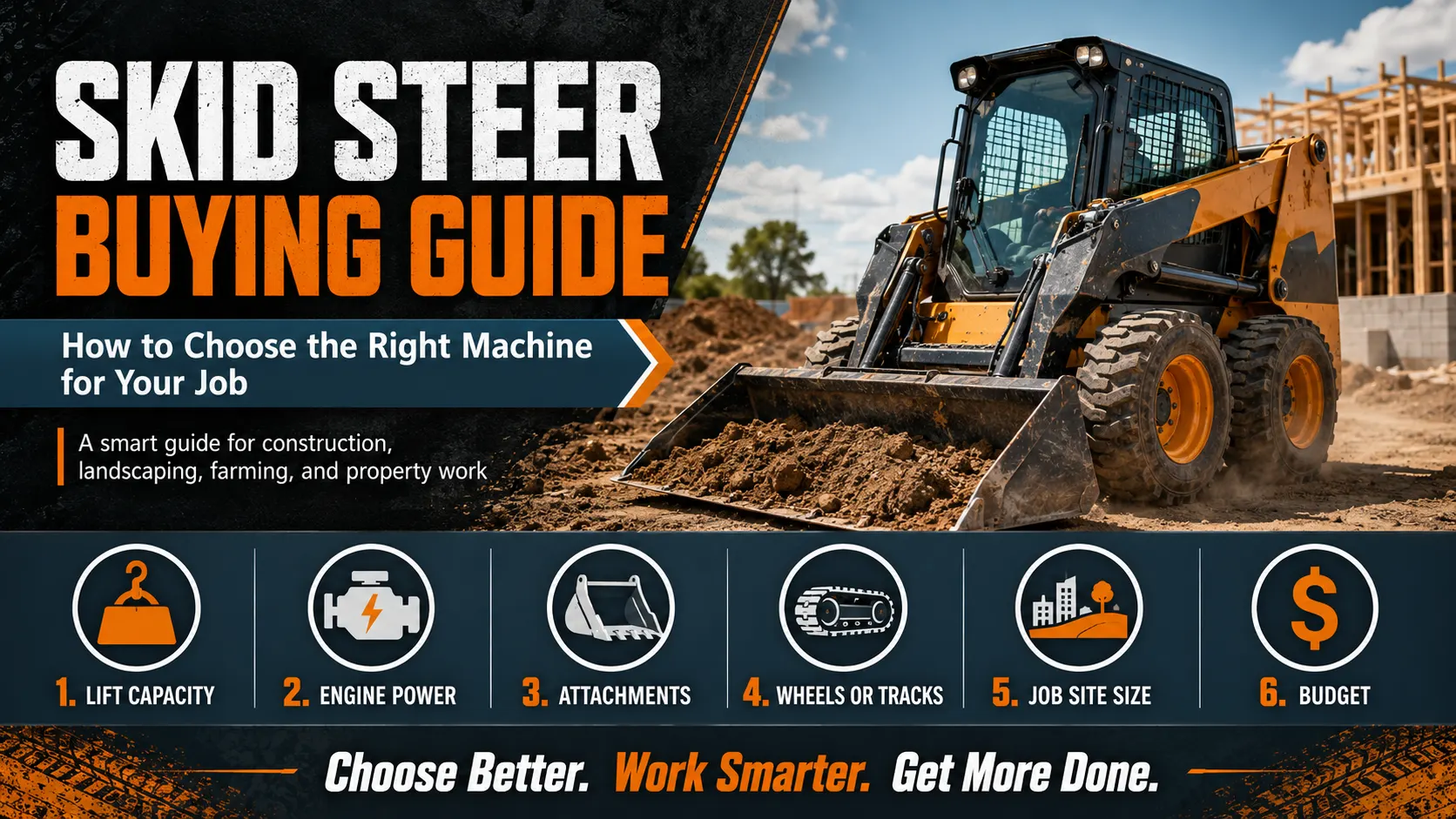
Skid Steer Buying Guide: Your Comprehensive Roadmap to the Right Machine
Are you embarking on a new construction project, tackling extensive landscaping, or managing a farm that demands serious muscle? Perhaps you’re a contractor looking to expand your fleet, or a homeowner with a significant property to maintain. Whatever your situation, the thought of acquiring heavy machinery can be both exciting and daunting. Among the most versatile and indispensable pieces of equipment in many industries is the skid steer loader – a compact powerhouse renowned for its maneuverability and adaptability. But with a myriad of models, attachments, and features available, knowing how to buy a skid steer that perfectly fits your needs and budget can feel like navigating a complex maze.
This comprehensive guide is designed to demystify the process, transforming you from a curious browser into a confident buyer. We'll walk you through every critical consideration, from understanding the fundamental capabilities of these machines to evaluating specific features, exploring financing options, and ensuring you get the best value for your investment. Forget the jargon and the overwhelming specifications; we'll break down everything you need to know in clear, actionable terms. By the end of this guide, you'll be equipped with the knowledge and insights to make an informed decision, ensuring your new skid steer isn't just a purchase, but a strategic asset that enhances your productivity and profitability for years to come. Let's dig in!
1. What is a Skid Steer Loader? Before diving into the intricacies of purchasing, it’s crucial to have a solid understanding of what a skid steer loader is, its core functionality, and why it has become such a staple in various industries. Often referred to simply as a "skid steer" or "skid loader," this compact, rigid-frame, engine-powered machine with lift arms is designed to attach a wide variety of labor-saving tools or attachments. Its most distinctive characteristic, and the origin of its name, is its steering mechanism. Unlike conventional vehicles that steer by turning wheels, a skid steer steers by "skidding" or dragging its fixed-alignment wheels across the ground. This is achieved by operating the wheels on one side of the machine at a different speed than the wheels on the other side, or by locking one side completely, allowing it to turn within its own footprint. This unique capability grants it exceptional maneuverability in tight spaces where larger equipment simply cannot operate.
Historically, the first skid steer was invented in 1957 by the Keller brothers in Rothsay, Minnesota, to help a farmer clean out his turkey barn. It was later acquired and refined by Melroe Manufacturing Company (now Bobcat Company), which introduced the first true skid steer loader, the M-400, in 1960. Since then, skid steers have evolved dramatically, becoming more powerful, efficient, and versatile.
Key Characteristics and Components:
Compact Size: Skid steers are relatively small, making them ideal for work in confined areas, urban environments, and residential properties. Rigid Frame: The machine's frame is rigid, meaning there is no articulation point. This contributes to its robust construction and stability. Lift Arms: These hydraulic arms are used to raise and lower attachments. They can be configured with either a radial lift path (for digging and pushing applications) or a vertical lift path (for lifting and loading at height). Wheeled or Tracked: While traditionally wheeled, many modern skid steer loaders are available with tracks, transforming them into compact track loaders (CTLs). CTLs offer better traction, stability, and flotation on soft or uneven terrain, albeit often at a higher purchase price and with increased maintenance costs for the tracks. Hydraulic System: The heart of a skid steer, the hydraulic system powers both the lift arms and the auxiliary hydraulics, which drive attachments. The flow rate and pressure of the auxiliary hydraulics are critical factors in determining which attachments a machine can effectively operate. Quick Attach System: Most modern skid steers feature a universal quick attach (UQA) system, allowing operators to rapidly switch between a vast array of attachments without leaving the cab. This significantly enhances the machine's versatility.
Common Applications:
The versatility of a skid steer is truly remarkable, making it an invaluable asset across numerous sectors.
Construction: Digging, trenching, grading, backfilling, material handling, demolition, site preparation. Landscaping: Moving soil, mulch, rocks; planting trees; preparing garden beds; clearing brush; laying sod. Agriculture: Cleaning barns, feeding livestock, moving hay bales, managing manure, preparing fields. Road Work: Paving, milling, sweeping, snow removal. Demolition: Breaking concrete, tearing down structures, clearing debris. Forestry: Mulching, stump grinding, brush clearing. Rental Fleets: Their adaptability makes them a popular choice for rental companies serving a broad customer base. Understanding these fundamentals is the first step in figuring out how to buy a skid steer that aligns with your specific operational needs. It's not just about getting a machine; it's about investing in a multi-functional tool that can revolutionize your workflow.
2. Key Benefits of Owning a Skid Steer
Investing in a skid steer loader is a significant decision, and understanding the core benefits it brings to the table can help justify the expenditure and clarify its value proposition. These compact machines offer a unique blend of power, maneuverability, and versatility that can dramatically improve efficiency and productivity across a wide range of tasks and industries.
Unmatched Versatility with Attachments
One of the most compelling advantages of a skid steer is its unparalleled versatility, primarily driven by the vast array of attachments available. A single skid steer can transform into dozens of different machines simply by swapping out its front-end tool. This eliminates the need to purchase, maintain, and store multiple specialized pieces of equipment, representing a significant cost saving and operational simplification.
Examples of Common Attachments:
Buckets: General purpose, dirt, rock, grapple, snow, light material. Essential for digging, scooping, and moving loose materials. Forks: Pallet forks for lifting and transporting materials on pallets, bale spears for agricultural use. Augers: For drilling post holes, tree planting, or foundation work. Trenchers: For digging narrow trenches for utilities, irrigation, or drainage. Hydraulic Breakers/Hammers: For breaking concrete, asphalt, or rock during demolition. Sweepers: For cleaning construction sites, parking lots, or roads. Brush Cutters/Mowers: For clearing dense vegetation, brush, and small trees. Tillers/Rotary Cultivators: For preparing soil in landscaping or agricultural applications. Snow Blowers/Plows: For efficient snow removal in winter months. Graders/Levelers: For fine grading and leveling surfaces. This ability to adapt to diverse tasks means that a skid steer can be utilized year-round, maximizing its return on investment. For a landscaper, it might be digging trenches in spring, moving mulch in summer, clearing brush in fall, and plowing snow in winter. For a contractor, it could be grading a site one day and breaking concrete the next. This adaptability is a cornerstone of how to buy a skid steer effectively, as it directly impacts your operational scope.
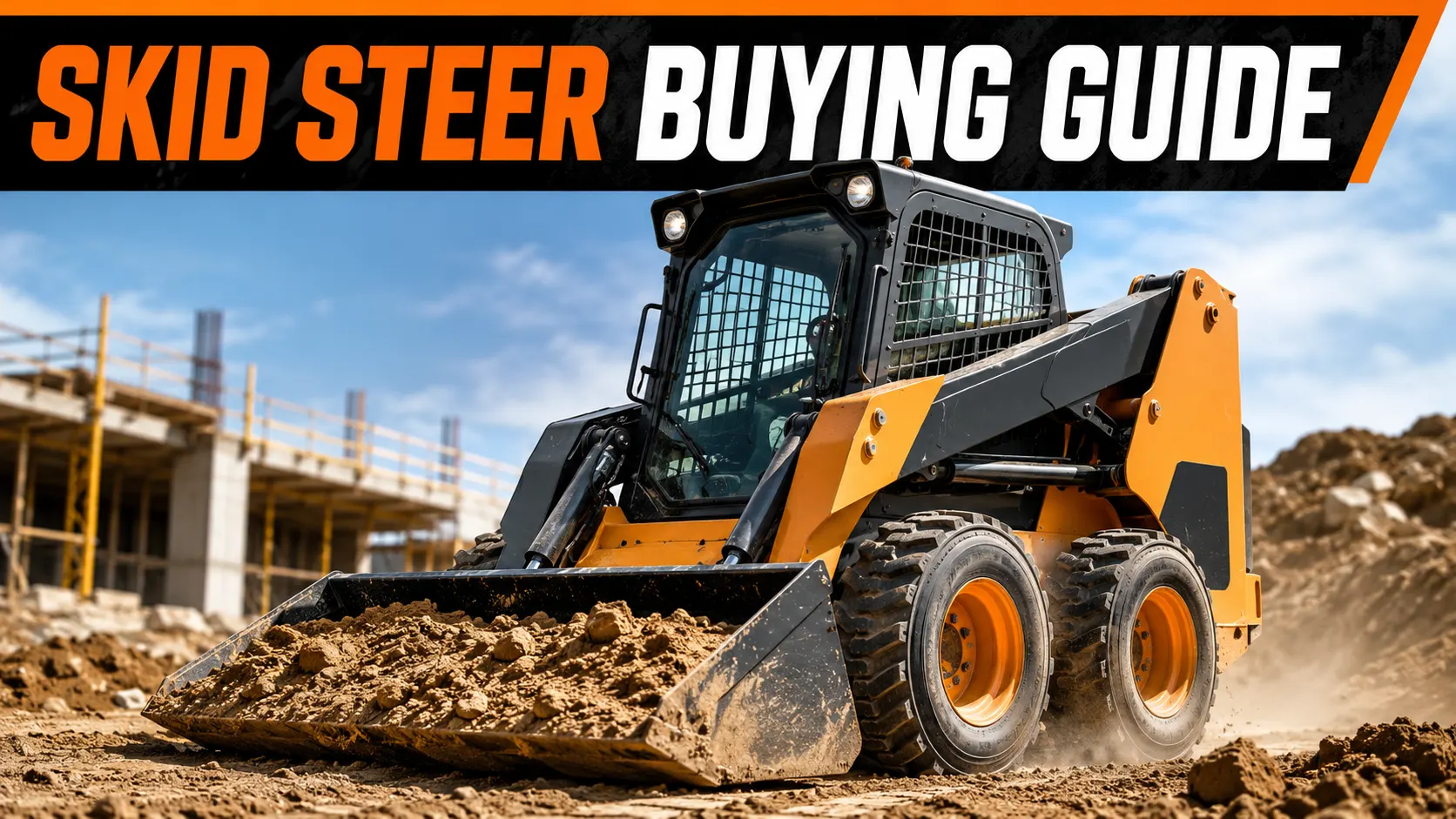
Exceptional Maneuverability in Tight Spaces
The unique "skid" steering mechanism allows these machines to turn within their own footprint, making them incredibly agile. This is a critical advantage in environments where space is at a premium, such as:
Urban construction sites: Navigating between buildings, fences, and other obstacles. Residential landscaping: Working in backyards, around existing structures, and through gates. Barns and confined agricultural settings: Cleaning out stalls or moving feed in tight quarters. Indoor demolition or renovation: Operating within existing structures. Larger, articulated loaders or excavators simply cannot match the tight turning radius of a skid steer. This maneuverability not only speeds up work in cramped conditions but also reduces the risk of damage to surrounding property, making it a safer and more efficient choice for many projects.
Power and Efficiency in a Compact Package
Despite their relatively small footprint, modern skid steers are engineered to deliver impressive power and hydraulic performance. They are designed to lift heavy loads, push substantial amounts of material, and operate demanding hydraulic attachments with efficiency.
Engine Horsepower: Contemporary models offer a range of engine sizes, providing ample power for various tasks. Hydraulic Flow: High-flow auxiliary hydraulics are available on many models, enabling the use of power-hungry attachments like mulchers, cold planers, and rock saws, significantly expanding the machine's capabilities. Lift Capacity: Skid steers are rated by their operating capacity, indicating the maximum weight they can safely lift. This capacity has steadily increased over the years, allowing these compact machines to handle tasks previously reserved for larger equipment. This combination of compact size and robust power translates to higher productivity. Operators can complete tasks faster, with less manual labor, and often with lower fuel consumption compared to using multiple, larger machines or extensive manual effort. The efficiency gains directly contribute to reduced project timelines and increased profitability, which are key considerations when figuring out how to buy a skid steer for your business.
Cost-Effectiveness and Return on Investment
While the initial purchase price of a new skid steer can be substantial, the long-term cost-effectiveness and potential for return on investment are significant.
Reduced Labor Costs: A single skid steer operator with the right attachments can replace several manual laborers, leading to substantial savings on wages and benefits. Lower Operating Costs (compared to larger equipment): Skid steers generally consume less fuel than larger loaders or excavators, and their parts and maintenance can be more affordable. Increased Project Capacity: Owning a versatile skid steer allows businesses to take on a wider variety of projects, expanding their service offerings and revenue streams. Rental Potential: If the machine isn't in constant use, it can be rented out to generate additional income, further offsetting ownership costs. Resale Value: Well-maintained skid steers, especially from reputable brands, tend to hold their value well, providing a good return if you decide to upgrade or sell in the future. By understanding these multifaceted benefits, potential buyers can clearly see how a skid steer isn't just an expense, but a strategic investment that can drive growth, improve operational efficiency, and significantly contribute to the bottom line.
3. How to Get Started: Your Pre-Purchase Checklist
Embarking on the journey of how to buy a skid steer requires more than just browsing models; it demands a systematic approach to ensure you select the machine that truly meets your operational demands and budget. This pre-purchase checklist will guide you through the essential steps, helping you define your needs, explore options, and prepare for a smart acquisition.
Define Your Needs and Applications
This is arguably the most critical step. Without a clear understanding of your primary applications, you risk overspending on features you don't need or, worse, underbuying a machine that can't handle your tasks.
Primary Tasks: What will the skid steer be doing most often? (e.g., digging, lifting, grading, trenching, clearing brush, snow removal). Material Type and Weight: What kind of materials will you be moving? How heavy are they? This directly impacts the required operating capacity and lift height. For example, moving heavy rocks or concrete requires a higher operating capacity than moving mulch or dirt. Terrain and Environment: Will you be working on flat, even ground, or rough, uneven, or soft terrain? This determines whether wheels or tracks (Compact Track Loader - CTL) are more suitable. Wheeled Skid Steers: Better for hard, abrasive surfaces like concrete or asphalt, faster travel speeds, lower initial cost, easier tire replacement. Compact Track Loaders (CTLs): Superior traction, flotation, and stability on soft ground, mud, sand, or slopes. Less ground disturbance. Higher initial cost and track maintenance. Space Constraints: How tight are the working areas? Will you need to navigate through narrow gates, between buildings, or inside structures? This influences the machine's physical dimensions. Required Attachments: List all the attachments you anticipate needing now and in the foreseeable future. Research their hydraulic flow and pressure requirements. This will dictate the necessary auxiliary hydraulic capabilities of your skid steer (standard flow vs. high flow). Hours of Operation: How many hours per day/week/month will the machine be used? High usage might warrant a more robust, higher-spec machine with enhanced comfort features.
New vs. Used: Weighing Your Options
The decision between a new and used skid steer significantly impacts your budget and long-term ownership experience.
New Skid Steer:
Pros: Latest technology, full warranty, financing options, custom configuration, higher reliability, lower initial maintenance, better fuel efficiency, often includes telematics. Cons: Higher upfront cost, rapid depreciation in the first few years. Best for: Businesses with consistent, heavy use; those requiring specific configurations or the latest features; buyers prioritizing peace of mind and warranty coverage.
Used Skid Steer:
Pros: Significantly lower upfront cost, slower depreciation, potentially quicker return on investment, wider selection of older models. Cons: No warranty (or limited), unknown maintenance history, potential for hidden issues, older technology, higher risk of unexpected repairs, potentially less fuel efficient. Best for: Budget-conscious buyers, those with intermittent use, experienced operators who can assess machine condition, buyers looking for a backup machine.
Tips for Buying Used:
Thorough Inspection: Always inspect the machine in person. Look for cracks in the frame, leaks, excessive wear on pins and bushings, track/tire condition, engine compartment cleanliness, and cab condition. Service Records: Request detailed service and maintenance records. Hour Meter: Be wary of unusually low hours for an older machine, as hour meters can be tampered with. Test Drive: Operate the machine under load. Check hydraulics, engine power, steering, and listen for unusual noises. Professional Inspection: Consider hiring an independent heavy equipment mechanic to perform a pre-purchase inspection.
Budgeting and Financing
Establishing a realistic budget is crucial. This isn't just about the purchase price; it's about the total cost of ownership.
Purchase Price: The sticker price of the machine. Attachments: Factor in the cost of essential attachments. These can add tens of thousands of dollars. Transportation: How will you get the machine to your site? Insurance: Heavy equipment insurance is a must. Maintenance & Repairs: Budget for routine servicing, consumables (filters, fluids), and potential repairs. Fuel Costs: Estimate ongoing fuel expenses. Storage: Where will you keep the machine when not in use? Training: If you or your operators are new to skid steers, budget for training.
Financing Options:
Cash Purchase: Simplest, no interest, but ties up capital. Dealer Financing: Often convenient, sometimes offers promotional rates. Bank Loans: Traditional equipment loans from commercial banks. Leasing: Can offer lower monthly payments, tax advantages, and flexibility to upgrade. However, you don't own the asset. Rent-to-Own: A good option if you're unsure about long-term ownership or want to try before you buy. When considering financing, carefully evaluate interest rates, loan terms, down payment requirements, and any associated fees. A good financial plan is integral to how to buy a skid steer responsibly.
Research Brands and Models
Once you've defined your needs and budget, start researching reputable brands and specific models that fit your criteria.
Major Brands: Bobcat, Caterpillar, John Deere, Kubota, Case, New Holland, Gehl, ASV (known for CTLs), Takeuchi, Wacker Neuson. Each brand has its strengths, dealer networks, and parts availability. Read Reviews: Look for independent reviews, operator forums, and industry publications. Pay attention to reliability, operator comfort, ease of maintenance, and dealer support. Compare Specifications: Create a spreadsheet to compare key specs like: Operating Capacity (Rated Operating Capacity - ROC): The maximum weight the machine can safely lift. Horsepower (HP): Engine power. Auxiliary Hydraulic Flow (GPM): Gallons per minute, crucial for attachments. Lift Height: Maximum height the bucket/attachment can reach. Operating Weight: Total weight of the machine. Dimensions: Width, height, length. Ground Clearance: Important for uneven terrain. Cab Features: HVAC, suspension seat, joystick controls, visibility. Dealer Network: Evaluate the proximity and reputation of local dealers for sales, service, and parts. A strong dealer relationship is invaluable for heavy equipment ownership. By meticulously working through this checklist, you'll build a solid foundation of knowledge and requirements, making the subsequent steps of selection and purchase much smoother and more informed. This systematic approach is the bedrock of understanding how to buy a skid steer effectively.
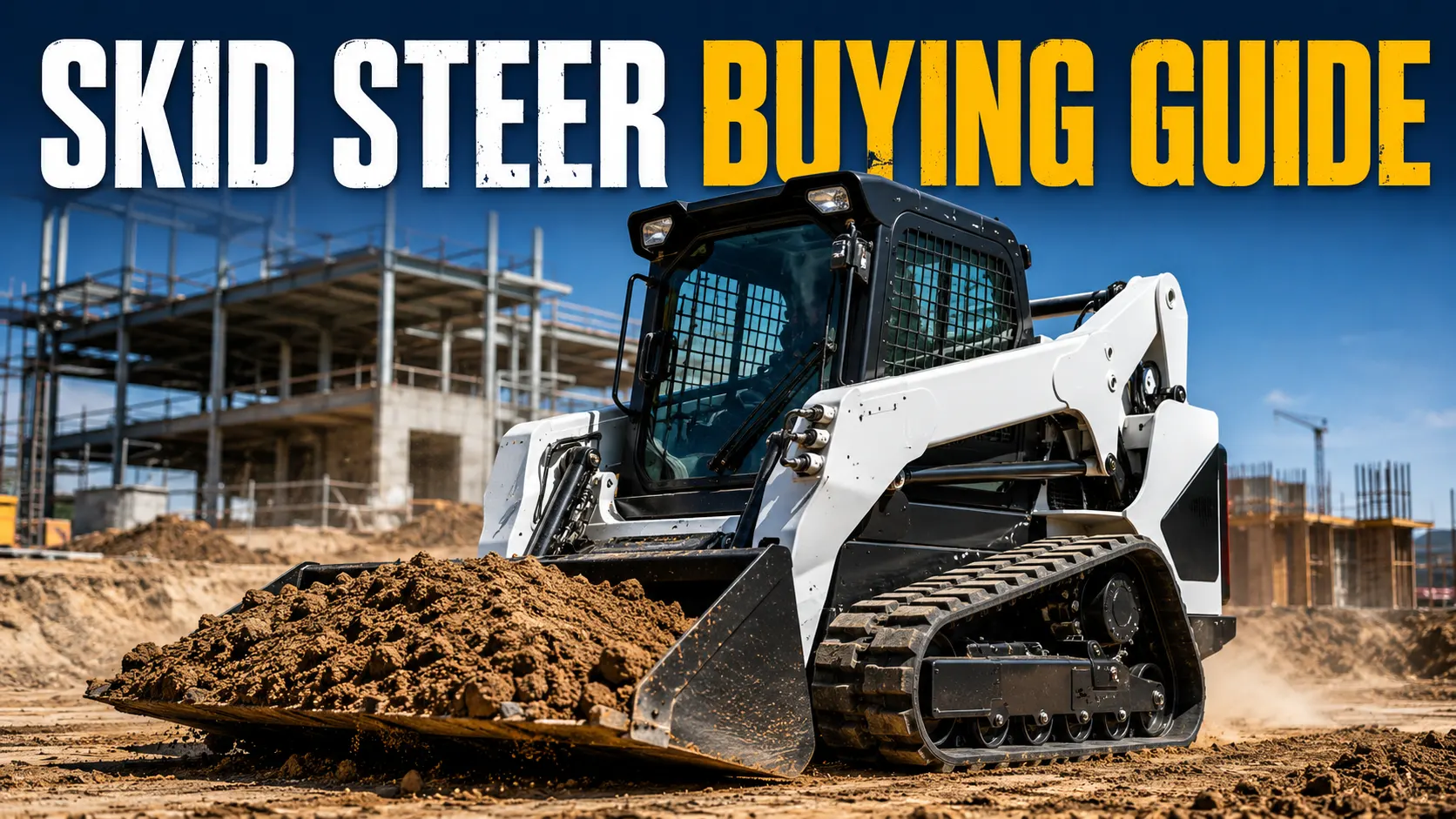
4. Best Practices for Selecting Your Skid Steer
With your needs defined and initial research complete, it's time to delve into the specifics of selecting the right machine. This section covers the critical technical considerations and practical advice for making an informed choice.
Understanding Key Specifications and Features
When you look at a skid steer's spec sheet, certain numbers stand out as particularly important. Understanding these will help you match a machine to your defined needs.
Operating Capacity (Rated Operating Capacity - ROC)
This is perhaps the most crucial specification. ROC is the maximum weight a skid steer can safely lift and carry without tipping. It's typically measured at 50% of the machine's tipping load.
Small Skid Steers (Under 1,750 lbs ROC): Ideal for residential landscaping, tight access areas, light demolition, and general property maintenance. Examples: Bobcat S70, Kubota SVL65-2. Medium Skid Steers (1,750 - 2,200 lbs ROC): The most common size, suitable for a wide range of construction, landscaping, and agricultural tasks. Can handle heavier loads and more demanding attachments. Examples: Cat 236D3, John Deere 320G. Large Skid Steers (Over 2,200 lbs ROC): For heavy-duty applications, lifting substantial materials (pallets of pavers, large rocks), and operating high-flow attachments. Examples: Bobcat S850, Case SR270. Actionable Advice: Always choose a machine with an ROC slightly higher than your typical maximum load to ensure a safety margin and accommodate future needs.
Engine Horsepower (HP)
Engine horsepower dictates the overall power available for driving the machine and its hydraulic system.
Lower HP (40-60 HP): Sufficient for lighter tasks and basic attachments. Medium HP (60-80 HP): Good balance of power and fuel efficiency for most applications. High HP (80+ HP): Necessary for demanding tasks, heavy lifting, and power-hungry high-flow attachments like mulchers or cold planers. Actionable Advice: Don't just chase the highest HP. Match it to your hydraulic flow requirements and the weight of materials you'll be moving. More HP doesn't always mean more usable power if the hydraulic system can't deliver it.
Auxiliary Hydraulic Flow (GPM - Gallons Per Minute)
This spec determines how much hydraulic fluid the machine can deliver to power attachments. It's measured in GPM and PSI (pounds per square inch).
Standard Flow (15-25 GPM): Sufficient for basic attachments like buckets, forks, augers, trenchers, and standard breakers. High Flow (30-45+ GPM): Essential for power-intensive attachments such as mulchers, cold planers, rock saws, snow blowers, and large brush cutters. Actionable Advice: If you plan to use any high-flow attachments, ensure your chosen skid steer explicitly offers a high-flow hydraulic option. This is a common mistake buyers make, limiting their machine's future versatility.
Lift Path: Radial vs. Vertical
Radial Lift: The lift arms move in an arc, providing maximum reach at mid-height. Ideal for digging, pushing, and applications where you need to dump material over a wall or into a truck at mid-height. Generally simpler and often more cost-effective. Vertical Lift: The lift arms move mostly straight up, keeping the load closer to the machine throughout the lift cycle. Provides maximum reach and lift height at the top of the lift. Ideal for loading trucks, stacking pallets, and applications requiring high reach and stability. Actionable Advice: If loading trucks or stacking is a primary task, a vertical lift machine is usually preferred. For ground-level work, digging, and general material handling, radial lift is often sufficient.
Wheels vs. Tracks (CTLs)
Revisit your terrain assessment here.
Wheeled Skid Steers: Best for hard, flat surfaces, concrete, asphalt. Faster travel speeds, lower initial cost, less ground disturbance on hard surfaces, simpler maintenance. Compact Track Loaders (CTLs): Superior traction, flotation, and stability on soft ground, mud, sand, slopes. Less ground pressure, better for sensitive turf. Higher initial cost, slower travel, higher track maintenance. Actionable Advice: If you frequently work on soft, wet, or uneven ground, or need to minimize ground disturbance, a CTL is a better long-term investment despite the higher cost. If most of your work is on paved or firm, dry surfaces, a wheeled skid steer is more economical.
Operator Comfort and Safety Features
A comfortable and safe operator is a productive operator. Don't overlook these aspects.
Cab Design: Look for spacious cabs, good visibility (especially to the sides and rear), and easily accessible controls. Rearview cameras are a huge plus. HVAC: Air conditioning and heating are crucial for operator comfort in varying climates, reducing fatigue and increasing productivity. Suspension Seat: A good suspension seat significantly reduces vibrations and bumps, especially important for long working hours. Controls: Most modern skid steers offer electro-hydraulic (joystick) controls, which are precise and less fatiguing than traditional foot and hand levers. Some offer switchable control patterns (ISO/H-pattern) to suit operator preference. Safety Features: ROPS/FOPS (Roll-Over Protective Structure/Falling Object Protective Structure) are standard. Look for interlocks that prevent operation when the seatbelt isn't engaged or the safety bar isn't down. Emergency stops, backup alarms, and good lighting are also essential. Entry/Exit: Some manufacturers offer side-entry cabs (e.g., Case, New Holland) which can be safer and more convenient than traditional front-entry over the attachment.
Dealer Support and After-Sales Service
The relationship with your dealer is almost as important as the machine itself.
Proximity and Reputation: Choose a dealer close to your primary work area with a strong reputation for customer service, parts availability, and skilled technicians. Parts Availability: Downtime costs money. Ensure your dealer stocks common wear parts or can get them quickly. Service Department: Inquire about their service capabilities, mobile service options, and typical turnaround times for repairs. Warranty: Understand the full terms of the warranty, including coverage for engine, hydraulics, and structural components. Training: Does the dealer offer training for new operators or refresher courses? Telematics: Many new machines come with telematics systems that provide remote diagnostics, GPS tracking, and usage data. Understand what's included and how to use it.
Test Drive and Inspection
Never buy a skid steer without a thorough test drive and inspection, especially if buying used.
Walk-Around Inspection: Check for fluid leaks, tire/track condition, damage to the frame or body, condition of pins and bushings, hydraulic hose integrity, and attachment coupler wear. Engine Start-Up: Listen for unusual noises, check exhaust color. Operate All Functions: Test the lift arms (full range), tilt, auxiliary hydraulics (with an attachment if possible), drive forward/reverse, and turn in both directions. Look for Smoothness: Are the controls responsive? Is there excessive play in the steering or lift arms? Check Cab Features: Test lights, wipers, HVAC, and all gauges. By meticulously following these best practices, you'll significantly increase your chances of selecting a skid steer that not only meets your current needs but also serves as a reliable and productive asset for years to come. This detailed approach is fundamental to mastering how to buy a skid steer wisely.
5. Frequently Asked Questions about Buying a Skid Steer
Navigating the world of heavy equipment can bring up many questions. Here are some of the most common inquiries potential buyers have when considering how to buy a skid steer.
Q1: What is a skid steer loader and what is it primarily used for? A skid steer loader is a compact, rigid-frame, engine-powered machine with lift arms used to attach a wide variety of labor-saving tools or attachments. Its unique steering mechanism, which involves "skidding" its wheels or tracks, allows it to turn within its own footprint, making it incredibly maneuverable in tight spaces. Skid steers are primarily used for tasks such as digging, grading, trenching, material handling, loading, clearing brush, demolition, and snow removal across various industries including construction, landscaping, agriculture, and property maintenance. Their versatility, thanks to a vast array of interchangeable attachments, makes them an indispensable multi-purpose tool.
Q2: How does a skid steer work, particularly its steering mechanism? A skid steer operates by using its engine to power a hydraulic system, which in turn drives the wheels or tracks and the lift arms for attachments. The most distinctive feature is its steering. Unlike traditional vehicles that turn wheels, a skid steer has wheels or tracks fixed in alignment. To turn, the machine drives the wheels/tracks on one side faster or slower than the other side, or completely locks one side. This causes the machine to "skid" or drag across the ground, allowing it to pivot and turn sharply within its own length. This "skidding" motion is where the name "skid steer" originates. Modern skid steers typically use joystick controls for intuitive operation of both driving and hydraulic functions.
Q3: What are the main benefits of owning a skid steer? The key benefits of owning a skid steer include:
Unmatched Versatility: With a wide range of attachments (buckets, forks, augers, trenchers, breakers, etc.), a single skid steer can perform dozens of different tasks, eliminating the need for multiple specialized machines. Exceptional Maneuverability: Its unique steering allows it to turn within its own footprint, making it ideal for working in confined spaces, urban environments, and residential areas where larger equipment cannot operate. Power and Efficiency in a Compact Package: Despite its size, a skid steer delivers significant hydraulic power and lifting capacity, enabling operators to complete demanding tasks quickly and efficiently, often with lower fuel consumption than larger machines. Cost-Effectiveness: By reducing manual labor, increasing productivity, and offering year-round utility, a skid steer can provide a strong return on investment and lower overall project costs. Q4: Should I buy a wheeled skid steer or a compact track loader (CTL)? The choice between a wheeled skid steer and a compact track loader (CTL) depends primarily on your typical working conditions and terrain:
Wheeled Skid Steer: Better suited for hard, abrasive surfaces like concrete, asphalt, or firm, dry ground. They offer faster travel speeds, lower initial purchase cost, and generally simpler maintenance (tire replacement vs. track replacement). Compact Track Loader (CTL): Ideal for soft, muddy, sandy, or uneven terrain, as well as slopes. Tracks provide superior traction, flotation (less ground pressure), and stability, and cause less ground disturbance on sensitive surfaces. However, CTLs typically have a higher initial cost, slower travel speeds, and higher track maintenance expenses. Actionable Advice: If you frequently work on challenging terrain or need to protect delicate surfaces, a CTL is usually the better investment. For mostly hard-surface work, a wheeled skid steer is more economical. Q5: What is "high flow hydraulics" and do I need it? "High flow hydraulics" refers to an auxiliary hydraulic system on a skid steer that delivers a higher volume (gallons per minute, GPM) and often higher pressure (PSI) of hydraulic fluid to attachments.
Standard Flow: Typically 15-25 GPM, sufficient for basic attachments like buckets, forks, augers, and standard trenchers. High Flow: Typically 30-45+ GPM, necessary for power-hungry attachments such as mulchers, cold planers, large snow blowers, rock saws, and heavy-duty brush cutters. Actionable Advice: If you plan to use any of these power-intensive attachments, you absolutely need a skid steer equipped with high-flow hydraulics. Without it, these attachments will either not function at all or operate at significantly reduced efficiency, leading to frustration and poor performance. It's crucial to match the machine's hydraulic capabilities to the requirements of your desired attachments. Q6: What are the most important specifications to consider when buying a skid steer? When buying a skid steer, the most important specifications to consider are:
Rated Operating Capacity (ROC): The maximum weight the machine can safely lift. Match this to the heaviest materials you'll be handling. Auxiliary Hydraulic Flow (GPM): Determines which attachments the machine can power. Crucial if you plan to use high-flow attachments. Engine Horsepower (HP): Overall power, but remember it's often linked to hydraulic flow for practical use. Lift Path (Radial vs. Vertical): Radial is better for digging and mid-height dumping; Vertical is better for high lifting and loading trucks. Operating Weight and Dimensions: Ensure the machine fits your transport capabilities and working space constraints. Operator Comfort Features: Including cab size, HVAC, suspension seat, and control type, as these impact productivity during long hours. Q7: Is it better to buy a new or used skid steer? Both new and used skid steers have their advantages:
New Skid Steer: Offers the latest technology, full warranty, financing options, higher reliability, and lower initial maintenance costs. However, it comes with a higher upfront price and rapid depreciation. Best for heavy, consistent use and those prioritizing peace of mind. Used Skid Steer: Significantly lower upfront cost, slower depreciation, and potentially quicker return on investment. However, it comes with no or limited warranty, unknown maintenance history, higher risk of unexpected repairs, and older technology. Best for budget-conscious buyers, intermittent use, or those with mechanical expertise to assess condition. Actionable Advice: For used machines, always perform a thorough inspection, request service records, and consider a professional pre-purchase inspection to mitigate risks.
Conclusion: Making Your Informed Skid Steer Investment
Deciding how to buy a skid steer is a significant investment that can dramatically impact your operational efficiency, productivity, and profitability. By now, you should feel much more confident in navigating the complexities of this purchase. We've covered everything from understanding the fundamental nature of a skid steer and its immense benefits, to meticulously defining your needs, weighing the pros and cons of new versus used machines, budgeting wisely, and delving into the critical specifications like operating capacity, hydraulic flow, and lift path. We also emphasized the importance of operator comfort, safety, and the invaluable role of a reliable dealer.
Remember, the "best" skid steer isn't necessarily the largest, most powerful, or most expensive one. It's the one that perfectly aligns with your specific applications, budget, and long-term goals. Take the time to thoroughly assess your needs, research reputable brands, compare models based on relevant specifications, and always, always perform a comprehensive inspection and test drive. A well-chosen skid steer is more than just a piece of equipment; it's a versatile workhorse that will empower you to tackle a wider range of projects with greater speed, precision, and safety.
Armed with this comprehensive guide, you are now well-equipped to make an informed decision that will serve you well for years to come.
Ready to take the next step in finding your perfect machine?
Learn more today! Explore detailed specifications of various skid steer models from leading manufacturers. Find local dealers and request quotes. Dive deeper into specific attachment capabilities with our [Skid Steer Attachment Guide]. Discover financing options tailored to heavy equipment purchases.