September 14, 2026
How Rollback Achieves It
Learn how the proper wheel loader bucket rollback angle prevents spillage, improves machine stability, and maximizes load retention when carrying heavy materials.
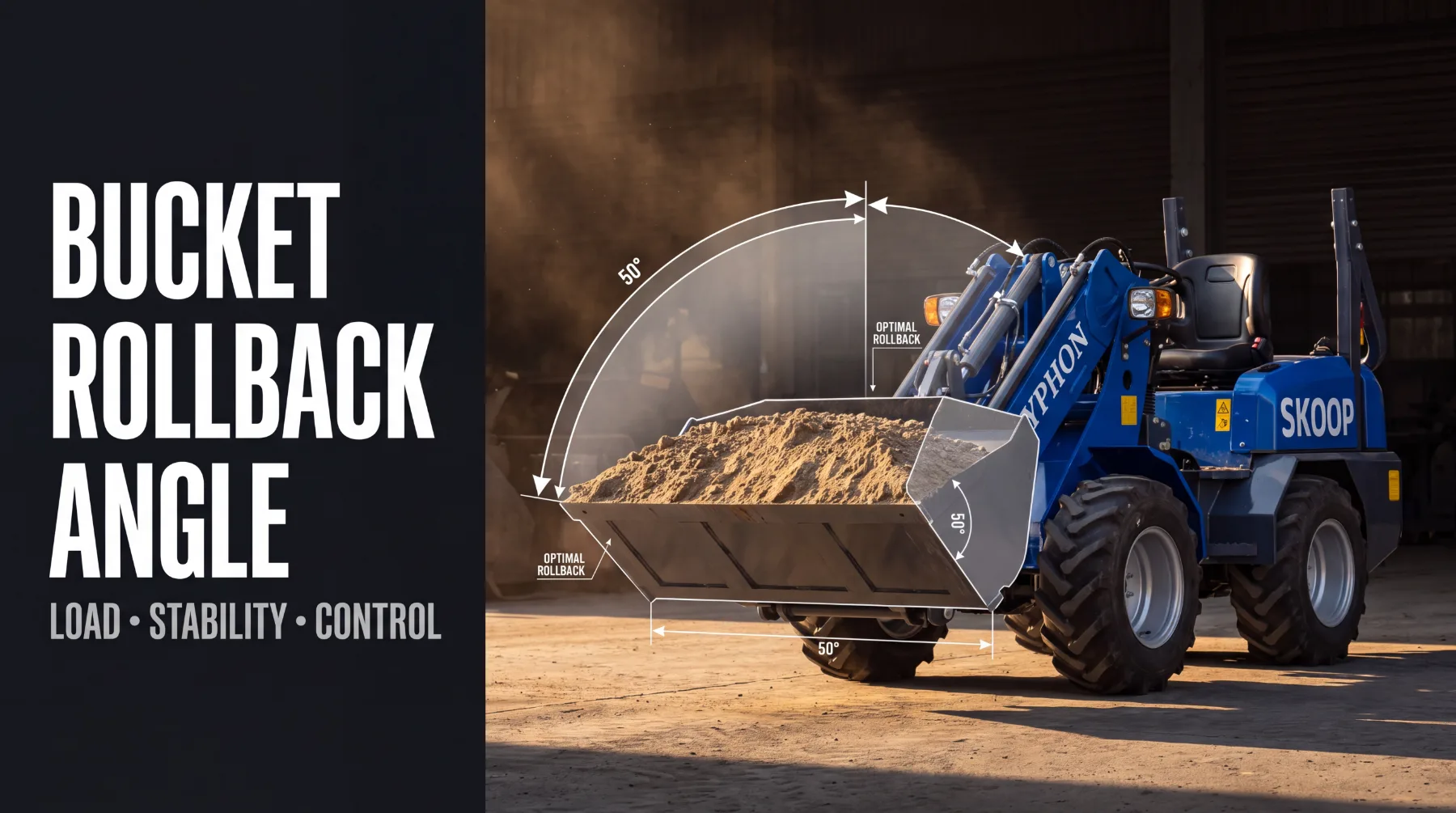
Why Wheel Loader Bucket Rollback Angle Matters When Carrying Heavy Loads
Awheel loadercan carry a full bucket of dense material across a jobsite dozens of times a shift, and the angle of that bucket during travel makes a real difference to how safely and efficiently the work gets done. Rollback angle, the degree to which the bucket is tilted back toward the machine, shapes how well the load stays put, how stable the loader feels, and how much material actually reaches the dump point. Get it right and the machine travels smoothly with minimal spillage. Get it wrong and you lose material, sacrifice visibility, or compromise stability. This guide explains why wheel loader bucket rollback angle matters when carrying heavy loads, so you can operate with confidence and handle material more effectively on every trip.
How Bucket Rollback Angle Helps Retain Heavy Loads
The most immediate reason to roll the bucket back during travel is simple: it keeps the load where it belongs. Rolling the wheel loader bucket back positions the material deeper inside the bucket, seating it against the back wall rather than letting it sit forward near the cutting edge. In that deeper position, the material is far less likely to spill over the front lip as the machine moves. Every bump, turn, and change in speed during travel works to shift the load, and a rolled-back bucket resists that shifting by holding the material securely within its walls. This matters most when the material is dense or heavy. Loads such as wet soil, gravel, crushed stone, or aggregate carry real weight, and any spillage from them is both a loss of material and a hazard on the ground the loader travels over. A load that sits too far forward can tumble out as the machine accelerates or crosses uneven terrain, scattering material along the haul route and forcing the operator to make up the difference with additional passes. An appropriate rollback angle addresses this directly in several ways: Deeper material placement that seats the load against the back of the bucket, away from the front lip. Reduced spillage during acceleration, turning, and travel over rough ground. Better retention of dense materials that would otherwise shift or tumble out. Retaining the full load on every trip is the foundation of productive material handling. When the bucket is rolled back to hold the material securely, the loader carries what it picked up all the way to the dump point, with little lost along the way. That reliability keeps the work moving and protects the jobsite from the scattered material a poorly positioned bucket leaves behind.
How Rollback Angle Affects Load Stability
Beyond simply keeping material in the bucket, the rollback angle influences how stable that load remains throughout travel. The bucket angle determines how the load is positioned relative to the rest of the loader, and that positioning has a direct effect on how the machine handles with weight on board. A load held at a suitable rollback angle stays settled and balanced within the bucket, which in turn supports more controlled, predictable movement across the jobsite. The connection between load position and machine control is worth understanding. When the material is properly rolled back and seated, it stays in one place as the loader travels, rather than shifting forward and back with every change in motion. A stable load that does not move around is far easier for the machine to carry, because the weight remains where the operator expects it. This steadiness translates into smoother handling, letting the operator drive, turn, and maneuver with confidence rather than reacting to a load that pitches and settles unpredictably. A load that is not held at a suitable angle behaves very differently. If the bucket is carried too flat, the material can slide forward and shift as the machine moves, creating an unsettled load that affects how the loader responds. That kind of instability makes the machine harder to control and can turn a routine trip into a more difficult one. Maintaining the right rollback angle keeps the load stable and the machine responsive, which is exactly what safe, efficient travel requires. For an operator moving heavy material repeatedly through a shift, that controlled, predictable handling is a genuine advantage on every trip between loading and dumping.
How Bucket Position Affects the Loader's Center of Gravity
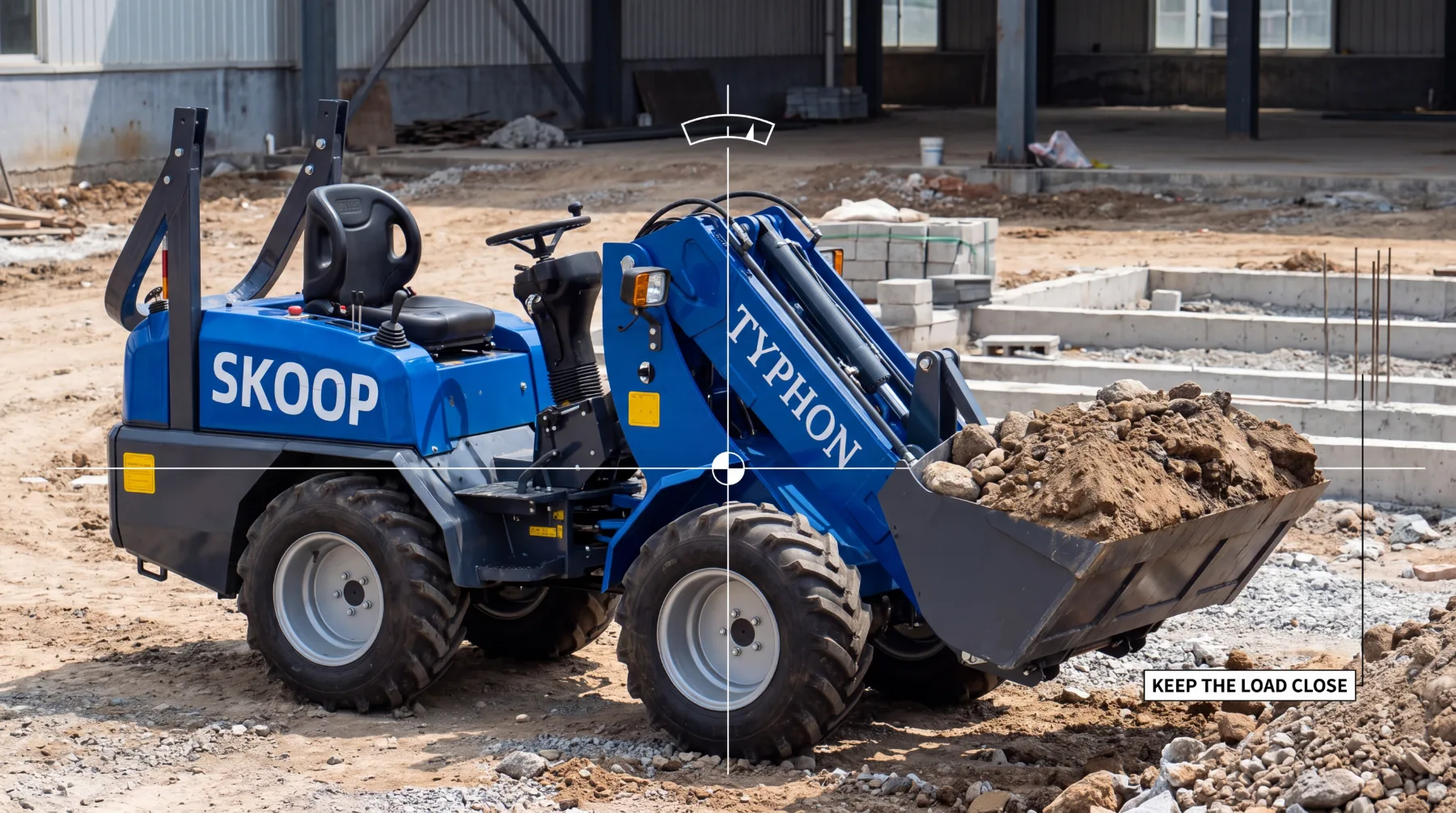
Stability in a wheel loader is closely tied to its center of gravity, and bucket position plays a significant role in managing it when carrying heavy loads. A properly rolled-back bucket keeps the load closer to the machine rather than extended out ahead of it. That difference in position matters, because where the load sits relative to the loader helps determine the combined center of gravity of the machine and its cargo. Keeping the load drawn in toward the machine helps hold that center of gravity in a more favorable position. The reason comes down to how weight and distance work together. A heavy load carried close to the machine has less leverage to pull the loader's balance forward than the same load held farther out. When the bucket is rolled back and the material sits closer in, the weight is positioned where the machine can carry it more stably. This is particularly valuable when transporting heavy material, since the heavier the load, the more its position affects the overall balance of the machine. Managing the center of gravity this way improves stability during travel in practical terms: Load kept closer to the machine through proper rollback, reducing forward leverage on the loader. A more favorable combined center of gravity for the machine and its load together. Improved stability when transporting heavy material across the jobsite. For the operator, this translates into a machine that feels planted and secure while carrying weight. A loader whose center of gravity is well managed handles heavy loads with greater confidence, staying balanced through turns and travel rather than feeling front-heavy or tippy. Rolling the bucket back to keep the load close is a straightforward habit, but it is one of the most effective ways to support the stability that safe heavy-load handling depends on.
Why Excessive Bucket Rollback Can Be a Problem
Rollback is valuable, but more is not always better, and there is a point at which too much rollback creates its own difficulties. Excessive bucket rollback can affect the operator's visibility, because tilting the bucket too far back can raise the material or the bucket itself into the line of sight, obscuring the view of the ground ahead. Clear visibility is essential for safe travel, so any bucket position that compromises what the operator can see works against safe operation rather than supporting it. Too much rollback can also position the material in an unsuitable location within the bucket. While rolling back seats the load deeper, tilting the bucket beyond the appropriate angle may shift the material in ways that do not serve the load well, potentially affecting how the weight is distributed or how the bucket carries it. The goal is a rollback angle that seats the material securely without going to an extreme that creates new problems. There is a sensible middle ground between too flat, which risks spillage and instability, and too far back, which can hurt visibility and material positioning. This is why the right approach is to use the bucket position recommended for the specific loader and load. Different machines and different materials call for different handling, and the manufacturer's guidance reflects how a given loader is designed to carry its rated loads safely. Rather than defaulting to maximum rollback or guessing at the right angle, operators should follow the recommended bucket position for their machine and the material they are moving. Doing so captures the benefits of rollback, such as load retention and stability, while avoiding the drawbacks that come from tilting the bucket too far. That balanced, informed approach is what keeps both the load and the operator's view where they should be.
How Proper Rollback Supports Efficient Material Handling
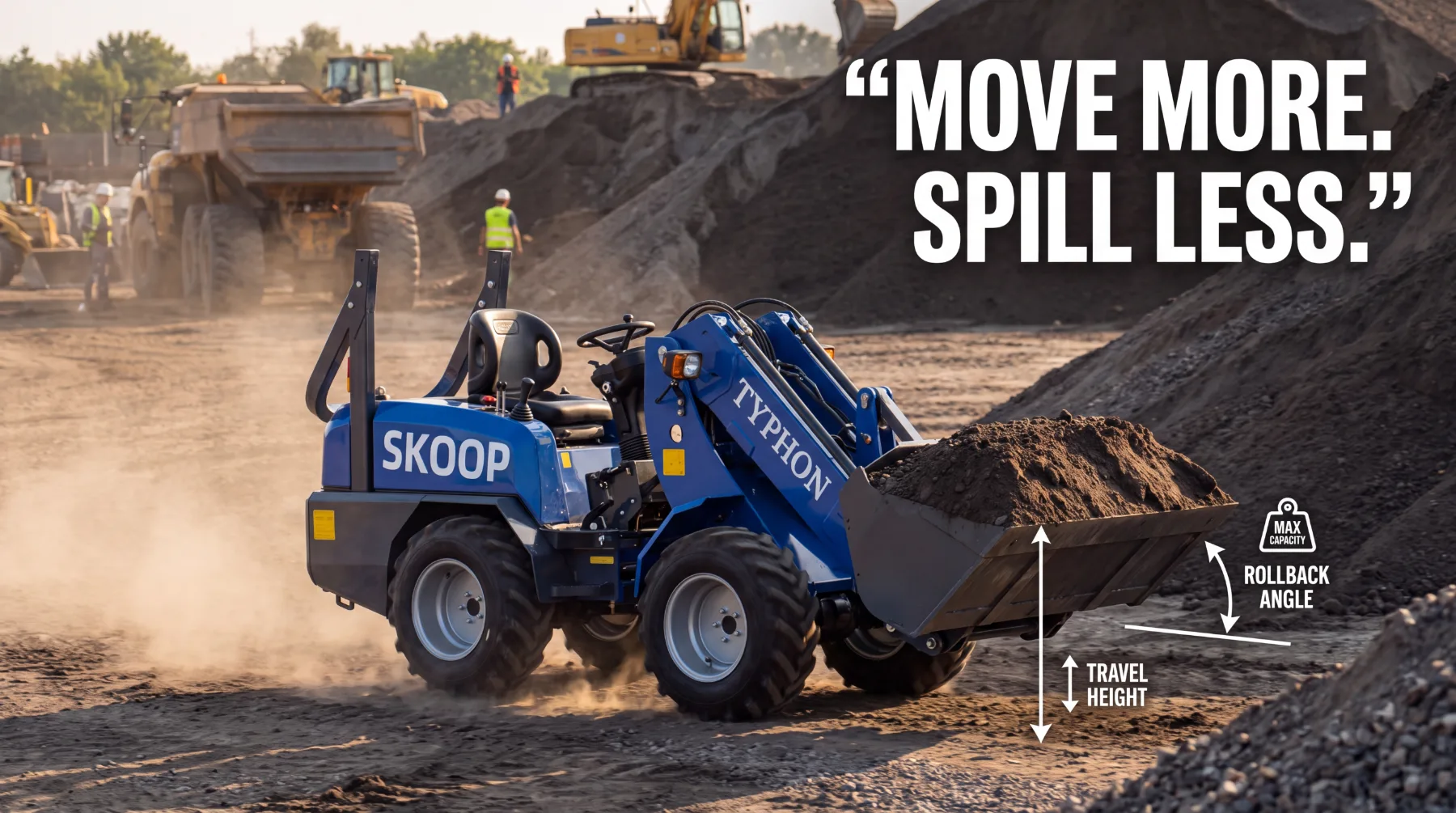
Everything about rollback angle comes together in the efficiency of the overall material-handling cycle. Maintaining the appropriate rollback angle helps reduce material loss while the loader travels between the loading area and the dumping area, which is where so much of a shift's productivity is either preserved or squandered. A load that stays intact from pickup to dump means the loader moves the full amount it collected on every trip, without scattering material along the way or needing extra passes to recover what spilled. Over the course of a shift, that retained material adds up to meaningful gains in productivity. Rollback angle does not work alone, though. It combines with other aspects of good load handling to support smooth, efficient operation. A suitable travel height keeps the bucket at a sensible level during transport, which supports both stability and the operator's ability to see and maneuver. Respecting the machine's rated load capacity ensures the loader carries only what it is designed to handle, keeping the machine within its safe and effective operating range. Together with proper rollback, these practices form a complete approach to moving material well. Consider how these elements reinforce one another: Appropriate rollback angle that retains the load and reduces spillage during travel. Suitable travel height that supports stability and visibility while carrying material. Rated load capacity that keeps the machine working within its designed limits. When these practices come together, the result is material handling that is both smoother and more efficient. The loader retains its load, stays stable and controllable, and moves material dependably from one point to the next. For an operation that depends on moving heavy material efficiently, maintaining the right rollback angle as part of sound load-handling practice is a straightforward way to protect productivity and keep every trip working as it should. Conclusion Bucket rollback angle is a small detail of wheel loader operation with a large effect on how well heavy loads are carried. Rolling the bucket back seats the material deeper, reducing spillage and retaining dense loads that would otherwise shift or tumble out. It keeps the load stable and the machine controllable, and by holding the load closer to the machine, it helps manage the combined center of gravity for greater stability. At the same time, too much rollback can obscure visibility and place material poorly, which is why following the recommended bucket position for your loader and load matters. Combined with a suitable travel height and respect for rated load capacity, proper rollback reduces material loss and supports smoother, more efficient handling. Master this simple practice, and your loader will carry heavy material more safely and productively on every trip.
Frequently Asked Questions
1. Why should I roll the bucket back when carrying a heavy load? Rolling the bucket back positions the material deeper inside the bucket, seating it against the back wall rather than near the front cutting edge. In that deeper position, the material is far less likely to spill over the front lip as the machine travels. This matters most with dense or heavy materials such as wet soil, gravel, crushed stone, or aggregate, which carry real weight and can tumble out if the load sits too far forward. Every bump, turn, and change in speed works to shift the load, and a rolled-back bucket resists that shifting by holding the material securely within its walls. Retaining the full load on every trip means the loader carries what it picked up all the way to the dump point, keeping the work moving and protecting the jobsite from scattered material. 2. How does rollback angle affect the stability of the load and the machine? The bucket angle determines how the load is positioned relative to the rest of the loader, and that positioning directly affects how the machine handles with weight on board. When the material is properly rolled back and seated, it stays in one place as the loader travels rather than shifting forward and back with every change in motion. A stable load that does not move around is far easier for the machine to carry, because the weight remains where the operator expects it. This translates into smoother, more predictable handling, letting the operator drive, turn, and maneuver with confidence. A bucket carried too flat lets material slide forward and shift, creating an unsettled load that makes the machine harder to control. Maintaining the right rollback angle keeps both the load stable and the machine responsive. 3. How does bucket position affect the loader's center of gravity? A properly rolled-back bucket keeps the load closer to the machine rather than extended out ahead of it, and that position helps determine the combined center of gravity of the machine and its cargo. A heavy load carried close to the machine has less leverage to pull the loader's balance forward than the same load held farther out. When the bucket is rolled back and the material sits closer in, the weight is positioned where the machine can carry it more stably. This is especially valuable when transporting heavy material, since the heavier the load, the more its position affects the machine's overall balance. Managing the center of gravity this way gives the operator a machine that feels planted and secure, staying balanced through turns and travel rather than feeling front-heavy. 4. Can you roll the bucket back too far? Yes. While rollback is valuable, too much of it creates its own problems. Excessive rollback can affect visibility, because tilting the bucket too far back can raise the material or the bucket into the operator's line of sight, obscuring the view of the ground ahead. Clear visibility is essential for safe travel, so any position that compromises it works against safe operation. Too much rollback can also position the material in an unsuitable location within the bucket, potentially affecting how the weight is distributed or carried. The goal is a rollback angle that seats the material securely without going to an extreme. The best approach is to use the bucket position recommended for the specific loader and load, since the manufacturer's guidance reflects how the machine is designed to carry its rated loads safely. 5. How does proper rollback improve material-handling efficiency? Maintaining the appropriate rollback angle reduces material loss while the loader travels between the loading and dumping areas, which is where much of a shift's productivity is preserved or lost. A load that stays intact from pickup to dump means the loader moves the full amount it collected on every trip, without scattering material or needing extra passes to recover spillage. Over a shift, that retained material adds up to meaningful productivity gains. Rollback works best alongside other good practices: a suitable travel height keeps the bucket at a sensible level for stability and visibility, and respecting the machine's rated load capacity keeps the loader within its safe operating range. Together, these practices produce smoother, more efficient handling, with the loader retaining its load and moving material dependably from one point to the next.